
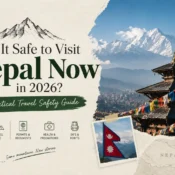
Is It Safe to Visit Nepal Now in 2026? A Practical Travel Safety Guide
If you are wondering “is it safe to visit Nepal now?”, the short answer is: Nepal is not completely closed to travellers, but your safety depends heavily on where you plan to go. Following the devastating floods and landslides in late August and September 2026, several areas are still dealing with damaged roads, disrupted transport and recovery operations. Other popular destinations continue to welcome tourists, although travellers should remain flexible and check local conditions before departure.
Nepal remains one of the most rewarding destinations in the Himalayas. From Kathmandu’s heritage sites and Pokhara’s lakeside atmosphere to Everest, Annapurna and the country’s many cultural trails, there is plenty to explore. However, travelling to Nepal right now requires more preparation than usual, particularly if your trip involves mountain roads, trekking routes or remote valleys.
Is Nepal Open for Tourists Right Now?
Yes, Nepal is open to tourists in many areas. There has been no nationwide travel closure. The Nepal Tourism Board has also continued issuing updates about trekking routes and confirming that travellers can visit accessible parts of the country.
That said, “Nepal is open” does not mean that every destination, road or trekking route is safe to access.
The situation varies from one district to another. Some locations have experienced severe flooding, while others remain operational but may face delays because of damaged highways, landslides or changing weather conditions.
Before booking your trip, check:
- The latest government travel advisory
- Nepal Tourism Board updates
- Local weather forecasts
- Road and airport conditions
- The latest information from your hotel, guide or trekking operator
Why Are Travellers Concerned About Visiting Nepal Now?
The main concern is the recent series of natural disasters.
On 26 August 2026, major flash floods and landslides affected areas around the Nepal–China border, particularly the Rasuwa region and the Bhote Koshi and Trishuli river corridors. The disaster damaged roads, bridges and communication infrastructure. Some areas are still involved in rescue, relief and recovery operations.
Further flooding and landslides have also affected trekking infrastructure and mountain access routes. As a result, certain destinations may be technically open but difficult or unsafe to reach.
The most important point is this:
Do not judge the safety of the entire country based on conditions in one affected region. At the same time, do not assume that a popular destination is safe without checking its latest route conditions.
Which Areas of Nepal Should Travellers Avoid?
Rasuwa and the Nepal–China Border Area
The Rasuwagadhi–Timure–Syafrubesi area of Rasuwa District is currently subject to the strongest warnings because of flood damage, unstable conditions, disrupted transport and ongoing recovery work.
Travellers should avoid entering this region independently, including the affected Nepal–China border crossing. Damaged bridges, unstable slopes, additional flooding and limited emergency access create serious risks.
This warning is particularly important for people planning to visit:
- Rasuwagadhi
- Timure
- Syafrubesi
- Parts of the Langtang access corridor
- Flood-affected areas near the Bhote Koshi and Trishuli rivers
Do not attempt to reach affected areas to search for missing people or to explore disaster sites.
Langtang and Gosainkunda
The Langtang and Gosainkunda regions require careful, route-specific verification before travelling.
The main concern is not only the condition of the trekking trails. Access roads, bridges and lower-altitude approach routes may also have been affected. Reports about the condition of some upper trails have not always been consistent.
If you have already booked a trek in this region, contact your registered operator and ask for:
- A current route assessment
- Confirmation from local authorities or trekking associations
- Information about road access to the trailhead
- A realistic alternative if the route remains unsafe
Avoid unofficial detours or alternative trails suggested online without proper local verification.
Manaslu Circuit
The Manaslu region was also affected by flooding and damage to trekking infrastructure. However, the Nepal Tourism Board reported on 10 September 2026 that damaged sections near Namrung had been repaired sufficiently for trekking operations to resume.
This is encouraging, but trekkers should still confirm the latest conditions before departure. Mountain routes can change quickly, especially during the monsoon transition period.
Are Kathmandu and Pokhara Safe to Visit Now?
Kathmandu and Pokhara are not in the same position as the severely affected border corridors. Both remain important tourism centres, and many travellers continue to visit Nepal through these cities.
However, they are not completely free from risk.
Kathmandu
Kathmandu is generally suitable for travellers who follow normal urban safety precautions. Still, the city can experience:
- Traffic congestion
- Petty theft and pickpocketing
- Earthquake-related risks
- Heavy rain and temporary flooding
- Demonstrations or sudden road disruptions
Keep your belongings secure, avoid large gatherings or demonstrations, and monitor local news before moving around the city.
Pokhara
Pokhara remains a popular base for sightseeing and trekking. Its lakes, viewpoints and surrounding hills make it an attractive stop for travellers who want a more relaxed experience.
Even so, road journeys outside Pokhara can be affected by rainfall, landslides and poor visibility. If you plan to travel towards trekking trailheads, confirm the condition of the road rather than relying only on an older itinerary.
Is It Safe to Go Trekking in Nepal Now?
Trekking in Nepal is possible in some regions, but it should not be treated as a normal trekking season.
September is a transition month between the monsoon and autumn trekking seasons. Conditions can improve quickly, but heavy rain, muddy trails, landslides, swollen rivers and flight delays may still occur.
The safety of a trek depends on several factors:
- The exact trekking region
- The condition of the approach road
- Trail and bridge damage
- Current rainfall
- Altitude and weather
- Availability of rescue support
- Experience of the trekking operator
Everest Base Camp
The Everest region is geographically separate from the main flood-affected Bhote Koshi–Trishuli corridor. It has not been reported as directly affected by the same disaster. However, that does not make the Everest Base Camp trek risk-free.
Trekkers must still consider:
- Altitude sickness
- Unpredictable mountain weather
- Flight delays to and from Lukla
- Limited medical facilities
- Trail conditions during the monsoon transition
- Delays caused by poor visibility
If you are planning Everest Base Camp, use a registered trekking operator and allow extra days in your itinerary for weather-related delays.
Annapurna Region
The Annapurna region remains a major trekking destination, but conditions can vary between individual routes. Road construction, landslides and rain can affect access to trailheads.
Before leaving Kathmandu or Pokhara, confirm:
- Whether your planned trail is open
- Whether the road to the starting point is operational
- Whether bridges and teahouses are accessible
- Whether permits and guide requirements have changed
Manaslu, Langtang and Other Remote Treks
Remote trekking routes require greater caution because rescue services, medical facilities and transport options are limited.
A route that appears open on a trekking website may still have damaged bridges or difficult road access. Always obtain a fresh update from local authorities, the Nepal Tourism Board or a reliable trekking company.
Is Nepal Safe for Indian Tourists?
Nepal remains a popular destination for Indian travellers because of its proximity, cultural connection and relatively easy travel arrangements. However, Indian tourists should follow the same safety precautions as visitors from other countries.
Before travelling, keep the following in mind:
- Carry valid identity documents.
- Confirm current entry requirements before departure.
- Keep digital and physical copies of important documents.
- Use registered hotels, guides and transport providers.
- Avoid travelling through disaster-affected districts.
- Do not assume that familiar regional conditions mean every mountain route is safe.
- Keep family members informed about your itinerary.
- Purchase travel insurance that covers trekking and emergency evacuation.
If you are travelling in a group, appoint one person to keep track of documents, emergency contacts and transport arrangements.
Road Travel in Nepal: What Should You Expect?
Road travel is one of the biggest practical concerns when visiting Nepal during or immediately after the monsoon.
Heavy rain can cause:
- Landslides
- Road blockages
- Bridge damage
- Long traffic delays
- Sudden route diversions
- Unsafe conditions near rivers and steep slopes
Avoid travelling close to swollen rivers, damaged bridges and unstable hillsides. If local authorities advise against using a road, do not attempt to cross it simply to save time.
For long-distance journeys, plan your route during daylight and keep some flexibility in your schedule. A journey that normally takes six hours may take considerably longer after rainfall or road damage.
Are Flights to Nepal Operating Normally?
Flights may operate normally on some routes, but weather and infrastructure conditions can still cause delays or cancellations.
Mountain flights are particularly sensitive to:
- Cloud cover
- Strong winds
- Heavy rain
- Poor visibility
- Airport operating conditions
If you are flying to Lukla or another mountain airstrip, avoid scheduling an important international connection immediately after your domestic flight. Keep at least one or two buffer days whenever possible.
It is also wise to confirm your flight status directly with the airline rather than relying only on third-party travel websites.
Best Places to Visit in Nepal If You Want a Safer Trip
For travellers who want to visit Nepal now without taking on the risks of a remote mountain trek, a more flexible itinerary may be a better choice.
Kathmandu Valley
You can explore:
- Kathmandu Durbar Square
- Patan Durbar Square
- Bhaktapur
- Swayambhunath
- Boudhanath Stupa
- Pashupatinath Temple
These cultural attractions allow visitors to experience Nepal without immediately heading into remote mountain areas.
Pokhara
Pokhara is ideal for a slower trip featuring:
- Phewa Lake
- Lakeside markets and cafés
- World Peace Pagoda
- Sarangkot
- Davis Falls
- Gupteshwor Cave
Before travelling outside the city, check local road conditions and weather forecasts.
Chitwan
Chitwan is known for its national park, wildlife experiences and jungle activities. However, travellers should still verify local flood conditions, especially when planning travel near rivers or low-lying areas.
Lumbini
Lumbini is an important cultural and spiritual destination associated with the life of Gautama Buddha. It can be a suitable option for travellers interested in heritage and pilgrimage rather than high-altitude trekking.
Practical Safety Tips for Visiting Nepal Now
1. Check Updates on the Day of Travel
Conditions can change quickly. Check official updates before leaving your hotel, airport or trekking base.
2. Avoid Flood-Affected Areas
Do not visit damaged bridges, flooded riverbanks, landslide zones or disaster-affected villages out of curiosity.
3. Keep Your Itinerary Flexible
Allow extra time for road delays, flight cancellations and unexpected route changes.
4. Travel During Daylight
Mountain roads are more difficult to navigate at night, particularly during heavy rain or after landslides.
5. Use a Reliable Local Operator
For trekking, road trips or remote destinations, choose an experienced and properly registered local company.
6. Carry Essential Supplies
Keep these items accessible:
- Drinking water
- Power bank
- Basic first-aid supplies
- Personal medicines
- Warm clothing
- Rain protection
- Copies of travel documents
- Emergency contact details
7. Get Suitable Travel Insurance
Your insurance should cover the activities you plan to undertake. If you are trekking at altitude, check whether the policy includes trekking, emergency evacuation and medical treatment.
8. Respect Local Instructions
If the police, district administration, trekking association or local authorities restrict access to an area, follow their instructions.
So, Is It Safe to Visit Nepal Now?
Nepal can still be visited in 2026, but travellers should choose their destination carefully.
A cultural trip to Kathmandu, a flexible visit to Pokhara or a carefully verified journey through an unaffected region may be possible. On the other hand, travelling into flood-affected districts or starting a remote trek without current route confirmation is not advisable.
The safest approach is to:
- Avoid the severely affected Rasuwa border corridor.
- Verify trekking routes individually.
- Monitor weather and road conditions.
- Book with reliable local operators.
- Keep extra days in your itinerary.
- Follow official travel advisories.
Nepal’s mountains, culture and hospitality remain remarkable. However, responsible travel is especially important while the country continues recovering from recent floods and landslides.
Plan Your Nepal Trip Carefully with THE DREAM TREKS
If you are planning a Nepal trip that includes mountain travel, trekking or a Himalayan road journey, careful route planning is essential. At THE DREAM TREKS, we believe that a good adventure begins with realistic planning, reliable logistics and respect for local conditions.
Before finalising your itinerary, check the latest route updates, weather conditions and local travel restrictions. A flexible plan is always better than taking unnecessary risks to follow a fixed schedule.
Plan your Nepal Tour with THE DREAM TREKS and experience the true beauty of Nepal.
Follow us on Instagram for Regular Updates!

Recent Posts

Best Time to Visit Dehradun in 2026: A Month-by-Month Guide

15 Best Offbeat Places to Visit in Uttarakhand in 2026
Quick booking process
+91 9557062166