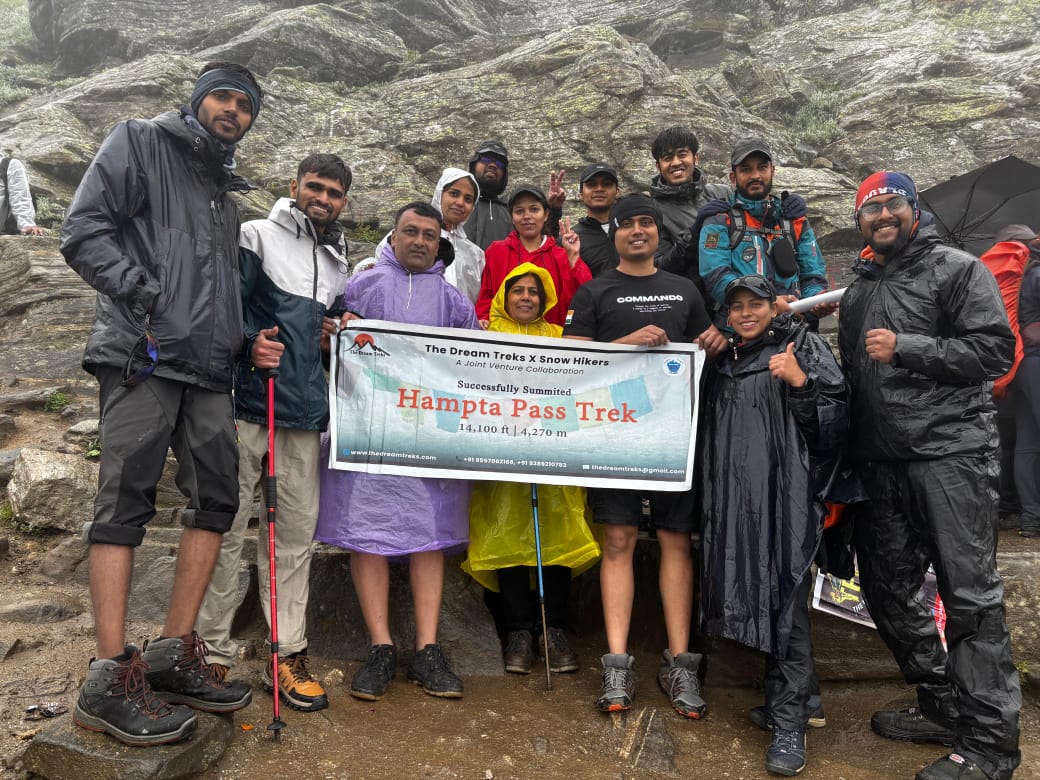
Best Time to Do the Hampta Pass Trek — when to go & why?
If you’re planning the Hampta Pass trek, timing matters. This classic Manali → Lahaul crossover reaches about 14,000 ft and crosses wildly different landscapes — thick Kullu forests and the stark high plains near Spiti. Because of that variety, the best time to do Hampta Pass trek depends on what kind of experience you want: snowy ridges, lush meadows, or dry, clear vistas.
Short answer:
- Best overall: September → mid-October (post-monsoon clarity, stable trails)
- For snow & drama: Late June → early July (early summer snow)
- For green meadows (riskier): Late July → August (monsoon; lush but wet and slippery)
- Not recommended: December → April (heavy snow; route is normally closed)
Below is a month-by-month breakdown, safety notes, and packing tips to help you pick the right window.
Quick facts (fast scan)
- Altitude: ~14,000–14,100 ft (≈4,270 m)
- Duration: 5 days (Manali → Chikka/Balu ka Ghera/Sheagoru/Chatru/Chandratal back to Manali)
- Popular route: Manali → Hampta Pass → Chhatru/Chandratal (crossover)
- Best windows: Late June–early July (snow), September–mid-October (post-monsoon)
Why the Season Matters: Best Time to Do Hampta Pass Trek
Hampta’s appeal is variety: forests and meadows on the Kullu side, a barren high-altitude landscape on the Lahaul side. That steep change in environment also means the trail, river crossings, visibility, and road access vary by month. A June trek can feel like a winter adventure with deep patches of snow; September offers the clearest skies and safer river crossings. Choose the month that matches your tolerance for cold, mud, and risk — and always respect monsoon unpredictability.
Best Time to Do Hampta Pass Trek — Month by Month
Late June → Early July — snow lovers’ window
Early summer still holds lingering snow at higher elevations. If you want dramatic white ridges and crisp alpine photos, this is a top choice. Expect cold nights and some slow, careful walking through snowfields. Microspikes can be useful if the snow is firm.
Pros: Snowy scenery, dramatic photos, fewer people.
Cons: Slower progress on snow, colder nights, occasional slippery sections.
Mid-July → August — lush & dramatic (take caution)
Monsoon brings roaring waterfalls, rich green meadows and dramatic skies. It’s beautiful — but also the riskiest time: wet trails, slippery rocks, swollen streams and occasional road washouts. Only attempt during this window with a local, experienced operator who monitors weather and road conditions.
Pros: Incredible greenery, fewer dusty roads.
Cons: Trail slipperiness, higher landslide/road risk, unpredictable showers.
September → Mid-October — the safest & most pleasant window
This is the best single window for most trekkers. Monsoon has passed, streams calm, and the air clears to excellent visibility. The meadows remain green early on and the temperatures are comfortable for daytime hiking. This month balances beauty with safety and is ideal for photographers and groups. This is the best time to do Hampta Pass trek for most trekkers as it balances safety with beauty.
Pros: Stable weather, clear skies, safer river crossings.
Cons: Nights start to get chilly toward late October.
Late October → November — shoulder season (watch for early snow)
The trail can still be pleasant early, but temperatures drop and snowfall can arrive quickly. Road access may become unreliable. If you pick this time, keep flexible travel plans and check local conditions.
December → April — not recommended for regular trekking
Heavy snow closes the pass for most normal trekking groups. Only technical winter expeditions with specialized gear should consider this season.
How to pick your month — quick decision chart
- Want snow & empty trails? Late June → early July.
- Want the safest, clearest weather? September → mid-October.
- Want lush green meadows and don’t mind wet trails? Late July → August (only with a seasoned operator like us).
- Want to avoid risk and crowds? Aim for early September.
Safety & logistics notes (must-read)
- River crossings: After heavy rains (monsoon) rivers can swell fast. Never cross alone; follow your guide.
- Road access: Access roads to Manali and the trailheads can be affected during the monsoon. Allow buffer days.
- Guides & local knowledge: Choose an expert operator like The Dream Treks who reads local weather, river levels, and has route alternatives.
- Acclimatisation: The pass reaches ~14,000 ft — pace your ascent, sleep well, hydrate, and report any altitude symptoms early.
Whichever month you choose, knowing the best time to do Hampta Pass trek ensures you are prepared for river crossings and weather shifts.
Season-specific packing tips
If you go in early summer (snow):
- Waterproof insulated boots, gaiters, microspikes.
- Warm down jacket + thermal layers.
- Sunglasses (snow glare).
Planning to go in monsoon (green):
- Waterproof cover for backpack, quick-dry clothing, waterproof inner bags.
- Strong trekking poles and grippy footwear.
- Expect wet camps; carry spare socks.
If you go post-monsoon (September):
- Layering approach: warm mornings, mild afternoons.
- Good sleeping bag (cold nights), sun protection for bright, clear days.
Packing right depends heavily on when you go. The gear for June vs September (the best time to do Hampta Pass trek) looks quite different.
Practical planning checklist
- Book transport & permits in advance — Manali is busy in peak seasons.
- Carry cash for small local purchases; ATMs can be unreliable near the trailheads.
- Emergency buffer day: add 1 day for road/weather delays, especially in monsoon or shoulder seasons.
- Insurance & health: have travel insurance that covers high-altitude trekking and evacuation.
Final Verdict: Best Time to Do Hampta Pass Trek
If you want one recommendation that balances beauty, safety and the highest chance of an unbroken trek: choose September → mid-October. If you’re chasing snow-capped drama and fewer trekkers, aim for late June → early July — but be prepared for slower walking and cold nights.
Frequently Asked Questions (short)
Q: Can I do Hampta Pass solo?
A: We don’t recommend solo attempts, especially during monsoon or heavy-snow windows. Local guides know the safe lines and river conditions.
Q: Do I need crampons?
A: Microspikes are useful in early season if snow is present. Full crampons are rarely needed for Hampta unless conditions are unusual.
Q: Is Hampta Open in September?
A: Yes — September is one of the best months to hike Hampta. Trails are clear and views are excellent.
Yes, September is one of the best times to do Hampta Pass trek, with clear skies and stable trails
Ready to book your journey during the best time to do Hampta Pass trek?
Contact The Dream Treks today and let us guide you safely across this Himalayan wonder.
Follow us on Instagram for Regular Updates!

Recent Posts



Quick booking process
+91 9557062166