Why Bird-watching Matters on Kedarkantha
The Kedarkantha trek isn’t just about snow-capped ridges and panoramic peaks — it’s also a living paradise for Himalayan birds. Tucked within the Govind Wildlife Sanctuary in Uttarkashi, this trail runs through forests, meadows, and ridgelines where nature hums quietly. Every turn on the trail hides a flutter of wings — a small reminder that the mountains have their own rhythm beyond the footsteps of trekkers. Coming to Kedarkantha for Birdwatching? Then this article is a must read for you!
Quick Facts: Bird-watching on Kedarkantha
- Region: Uttarkashi, Uttarakhand (Garhwal Himalayas)
- Trail: Kotgaon / Sankri route
- Habitat zones: Pine–oak forests (~2,000–3,000 m) → alpine meadows (~3,800 m)
- Best time for bird watching: Early mornings & forest edges
- Difficulty: Moderate — some species are elusive and require patience
Top Bird Species You Might Spot
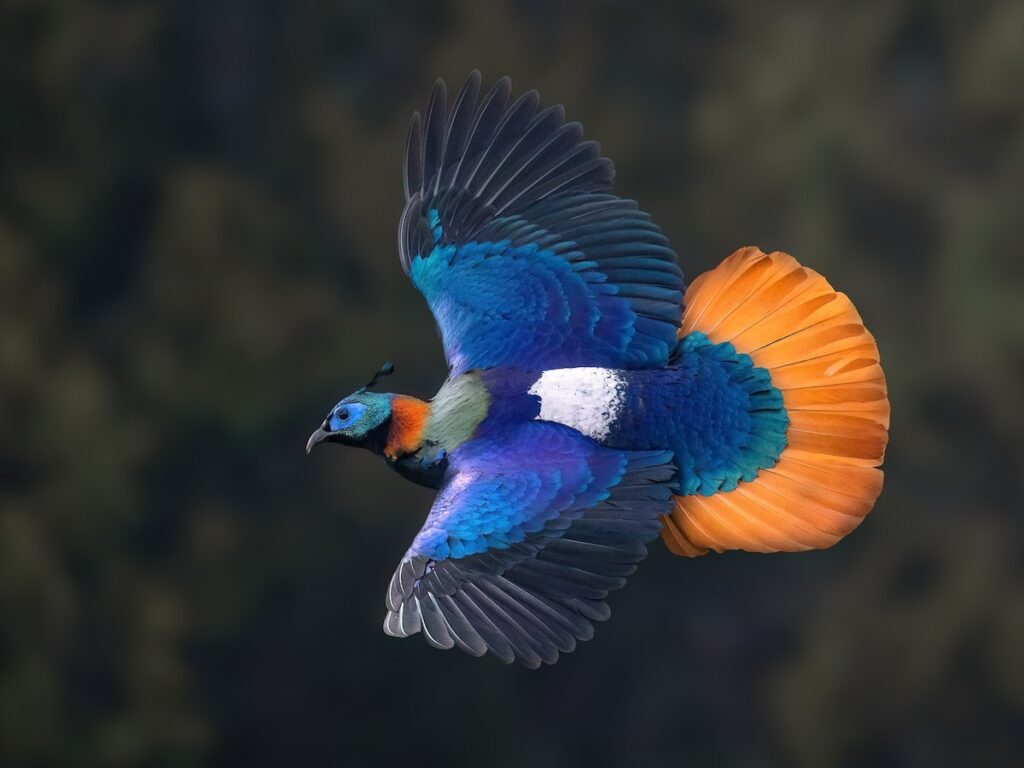
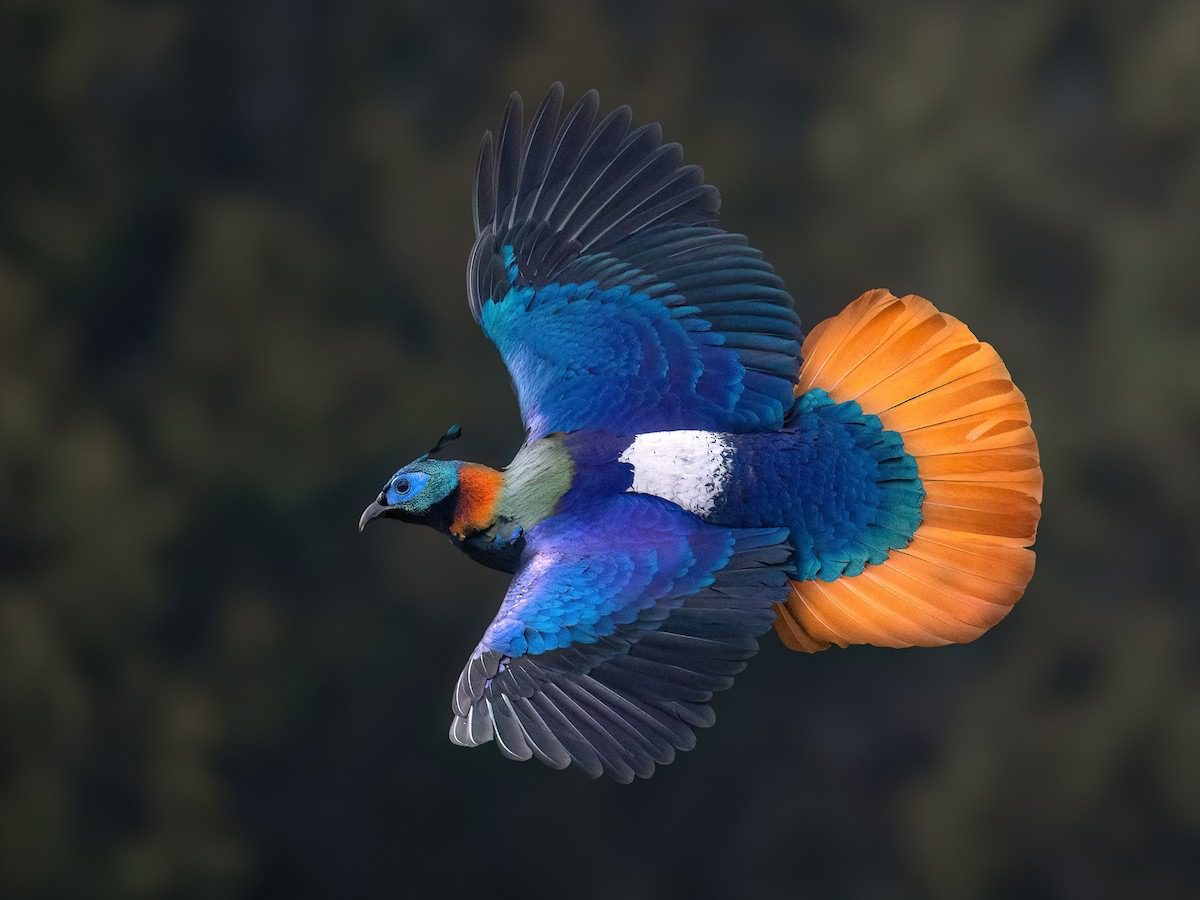
1. Himalayan Monal (Lophophorus impejanus) – The Crown Jewel
The dazzling Himalayan Monal, Uttarakhand’s state bird, is one of the most sought-after sightings. Its radiant mix of metallic blue, green, and crimson can light up even a foggy morning.
Spotting difficulty: High – Monals are shy and mostly appear during dawn or late afternoon, especially in undisturbed patches of forest.
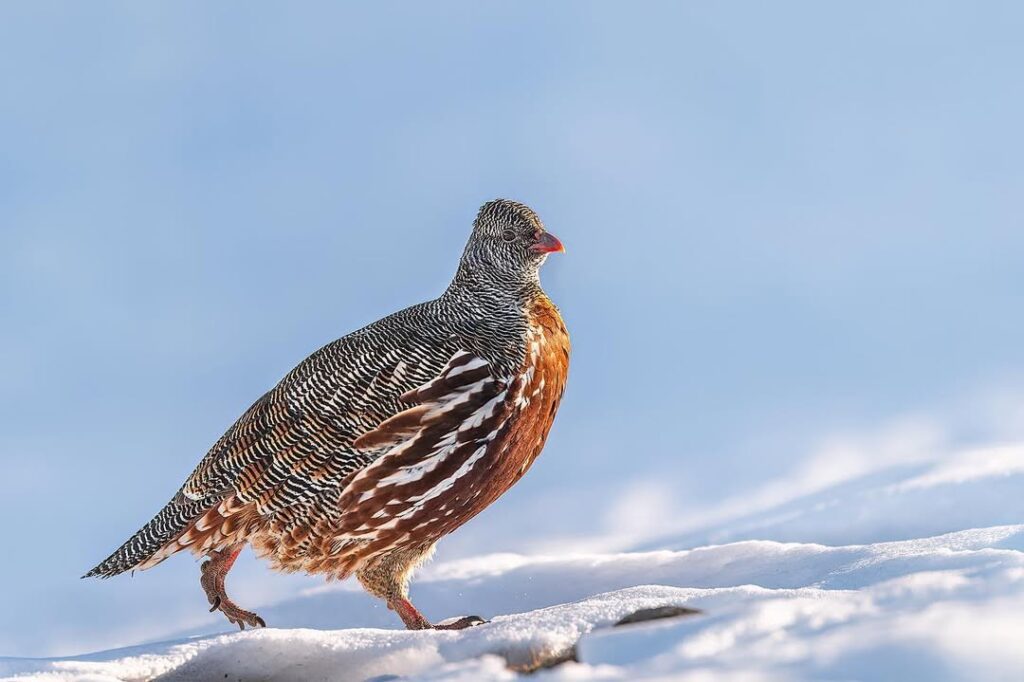
2. Snow Partridge (Lerwa lerwa) – The Phantom of the Slopes
Often found near the upper snowline, the Snow Partridge blends perfectly with the rocky, snow-dusted terrain. Its camouflage makes spotting it a real test of patience.
Spotting difficulty: Very high – Usually spotted in pairs at higher altitudes near the summit.
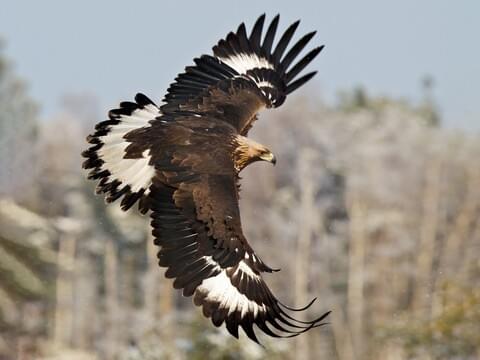
3. Golden Eagle (Aquila chrysaetos) – The Sky Sovereign
A powerful raptor that rules the skies, the Golden Eagle can often be seen circling above ridges. Its massive wingspan and slow, graceful glides make it unmissable against the blue backdrop.
Spotting difficulty: Moderate – Keep your eyes to the sky during clear mornings.
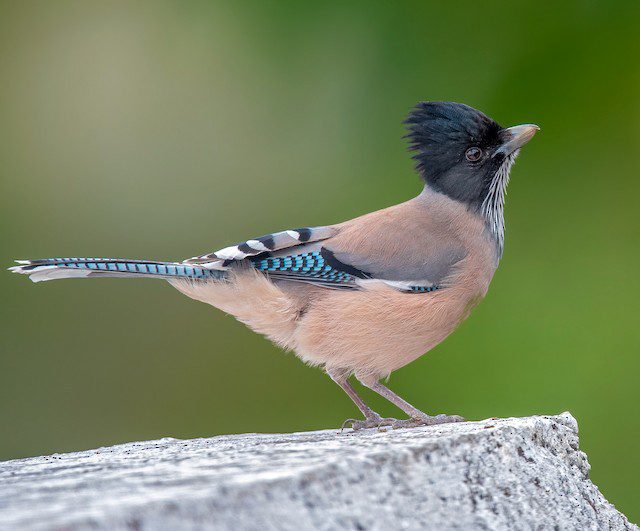
4. Black-headed Jay (Garrulus lanceolatus) – The Forest Troublemaker
These bright, noisy jays are a delight to watch, darting through pine forests with their bold blue wings and mischievous chatter.
Spotting difficulty: Low – Easily seen around forested campsites and along the lower trail.
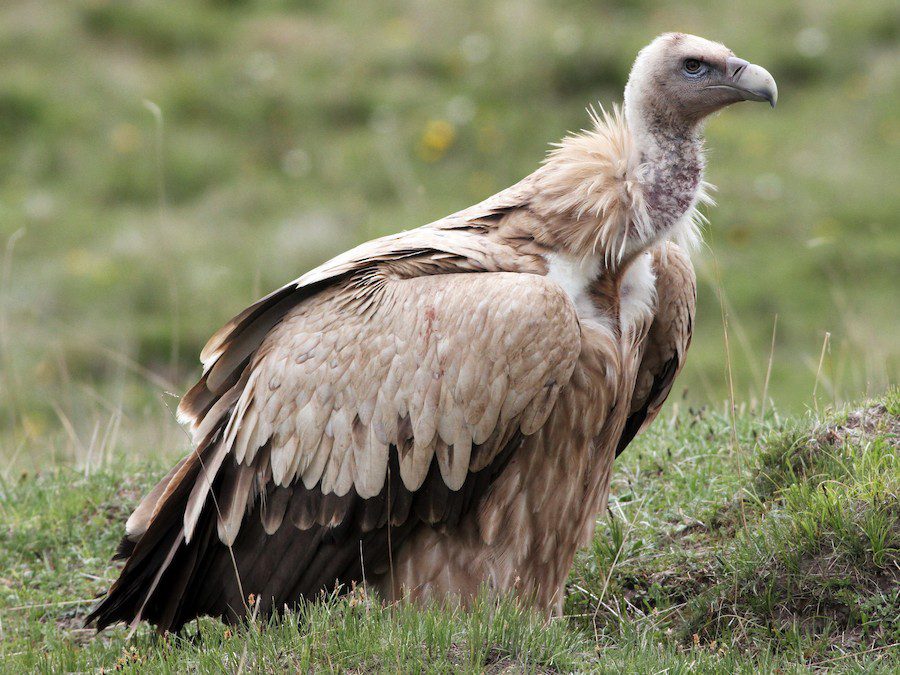
5. Himalayan Griffon Vulture (Gyps himalayensis) – The Silent Guardian
This massive bird with broad wings glides effortlessly across high ridges. Watching a Griffon soar above the snow-peaked mountains is a breathtaking sight.
Spotting difficulty: Moderate – Best seen on clear days near the open meadows.
6. Other Notable Birds to Look Out For:
- Blue Whistling Thrush
- Common Redstart
- Russet Sparrow
- White-throated Laughingthrush
- Great Barbet
- Varied finches, warblers, and woodpeckers
Best Zones & Timing for Bird-watching
| Zone | Altitude / Terrain | Best Time to Spot |
|---|---|---|
| Pine–Oak Forest | ~2,000–3,000 m – Lower trail sections | Dawn & early morning |
| Tree-line to Meadows | ~3,000–3,800 m – Upper stretches | Wind-free mornings, after fresh snow |
| Summit Ridge | ~12,500 ft – Open sky zone | Mid-morning for raptors & vultures |
Pro Tip: Walk slowly, stop often, and listen more than you look. Birds will reveal themselves when you blend in with the silence of the forest.
A Hidden Symphony in the Himalayas
The charm of bird-watching on Kedarkantha lies not just in what you see — but in what you hear. Early mornings here are filled with the melodic calls of thrushes, the rhythmic tapping of woodpeckers, and the distant echo of a Monal’s cry reverberating through the pines.
Even if you don’t spot every bird on your list, the feeling of standing quietly as the forest wakes up is an experience in itself. Every chirp, rustle, and flutter adds a note to this hidden Himalayan symphony — one that few trekkers take time to truly listen to.
So, next time you trek to Kedarkantha, carry your curiosity along with your backpack. Pause by the forest edge, breathe in the crisp mountain air, and let nature show you its quieter side — a side that exists between the snowflakes and the songs of the mountains.
How to Prepare for Bird-watching on Kedarkantha
Essentials to Carry:
- Binoculars (8× or 10× magnification)
- Notebook or phone for jotting sightings
- Neutral-colored jacket (avoid bright reds or yellows)
- Camera with zoom lens (optional but rewarding)
- Reusable water bottle & light snacks
Best Times of Day:
- Dawn (6–8 AM): Active songbirds & pheasants
- Mid-morning: Raptors and high-flyers
- Evening (4–5 PM): Return activity near campsites
Responsible Bird-watching Practices
- Maintain silence and distance (50 m+ from birds)
- Never play recorded bird calls — it disturbs nesting birds
- Stick to marked trails to avoid trampling vegetation
- Carry back all waste; respect the sanctuary ecosystem
Final Thoughts
Kedarkantha may be known for its summit views and snowy slopes, but it’s the life hidden in its forests that makes it truly magical. Bird-watching here is like discovering another world — one filled with color, song, and serenity.
Whether you catch a glimpse of the elusive Himalayan Monal or simply listen to the wind carrying the melody of unseen wings — you’ll leave with memories that last far beyond the trek itself.
👉 Book your Kedarkantha Trek with Us today!
Contact The Dream Treks today and let us guide you safely across this Himalayan wonder.
Follow us on Instagram for Regular Updates!