The Kedarkantha Trek is not only one of India’s most beautiful winter treks but also a paradise for nature and wildlife enthusiasts. Nestled in the Govind Pashu Vihar National Park and Wildlife Sanctuary in Uttarkashi, Uttarakhand, this region is home to a rich diversity of flora and fauna.
As you walk through dense pine and oak forests, snow-dusted meadows, and serene Himalayan landscapes, you might just find yourself sharing the trail with some of the most fascinating Himalayan wildlife.
Let’s explore the wildlife you can encounter during the Kedarkantha Trek — from elusive mammals to vibrant birds — and understand why this trek is a hidden gem for nature lovers.
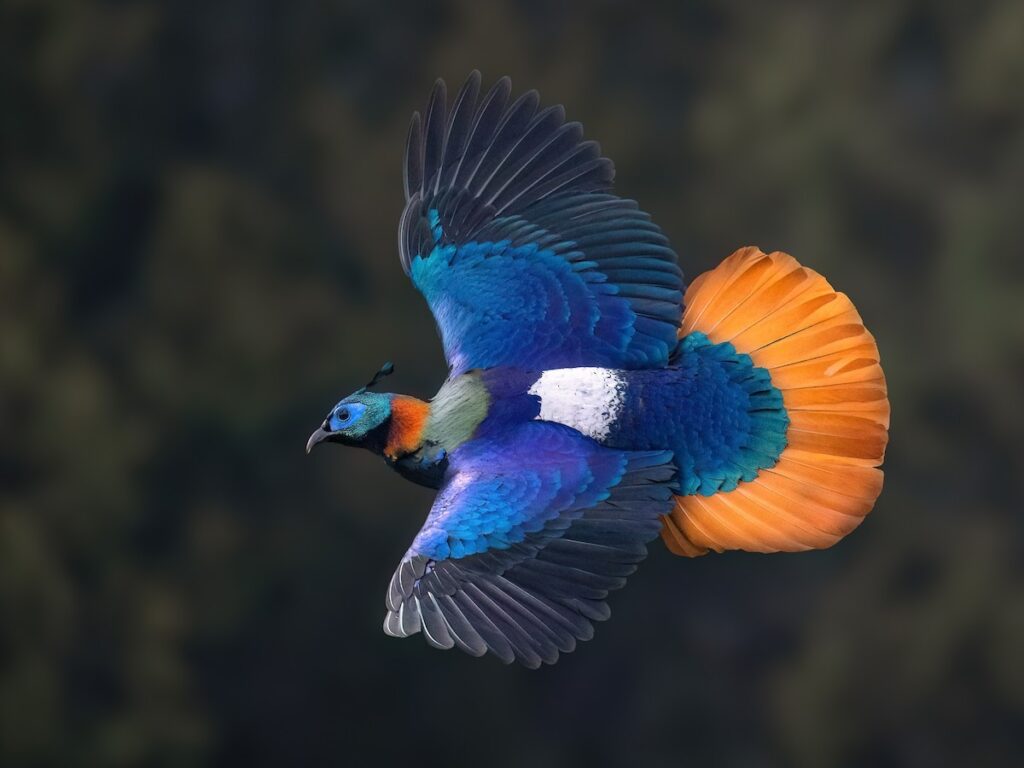
1. Himalayan Monal – The Jewel of Uttarakhand
The Himalayan Monal (Lophophorus impejanus), the state bird of Uttarakhand, is one of the most beautiful birds you can spot on the Kedarkantha trail.
Known for its iridescent feathers that shimmer with shades of blue, green, and copper, this bird is a true Himalayan treasure.
Monals are often spotted during the early mornings around Juda Ka Talab and Kedarkantha Base Camp. However, they are shy creatures and quick to fly away at the slightest disturbance, making a sighting both rare and rewarding.
Fun fact: Male monals are more colorful, while females are brownish and well-camouflaged against the forest floor.
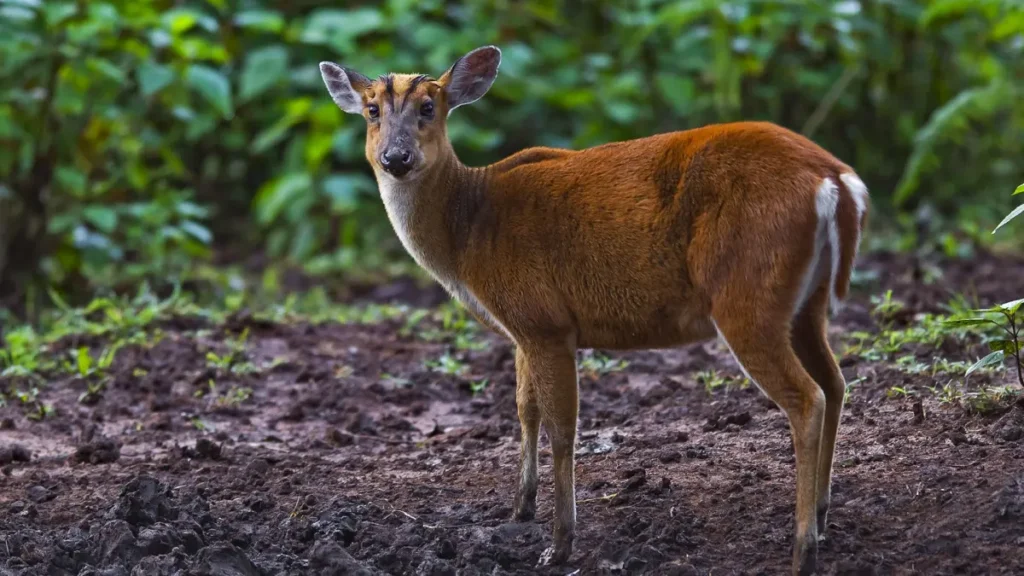
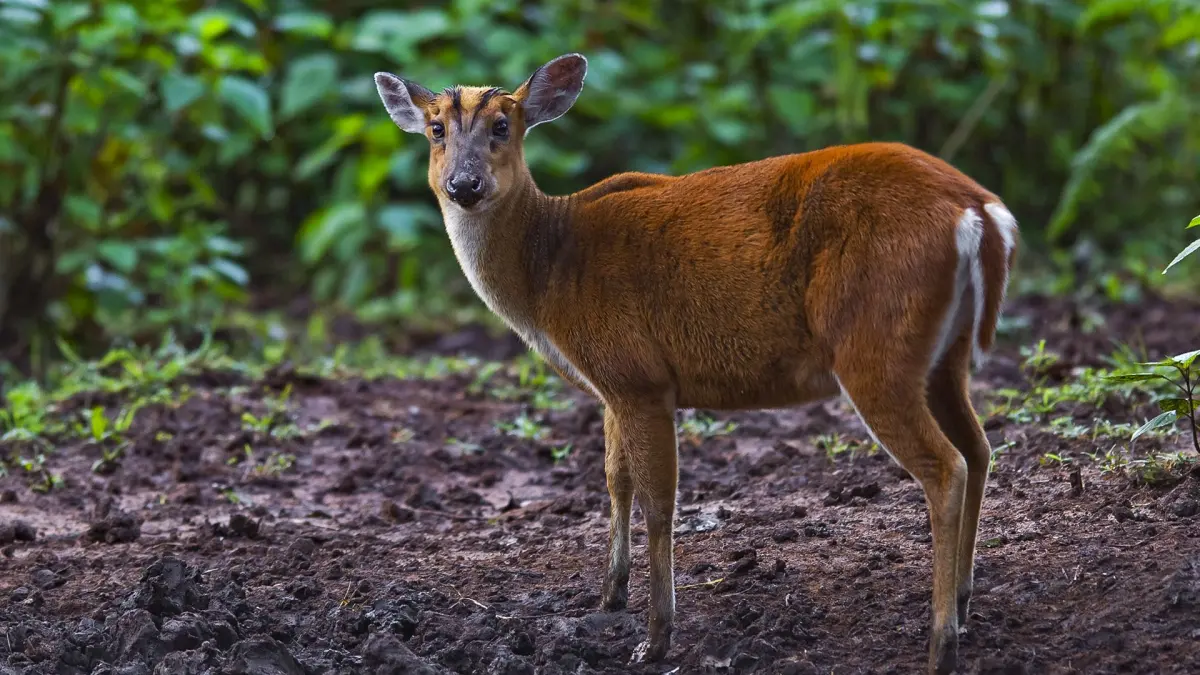
2. Barking Deer and Himalayan Musk Deer
As you ascend through the oak and pine forests near Kotgaon and Sankri, you might hear the sharp bark-like calls of the Barking Deer (also known as Muntjac).
These small, agile deer are often seen grazing quietly in clearings or darting across forest trails.
Higher up in altitude, especially in the denser parts of the Kedarkantha trail, lies the domain of the Himalayan Musk Deer. These elusive animals are nocturnal and rarely seen, but their tracks and signs are common for trained eyes.
Did you know? The Kedarkantha region’s protected status within Govind Pashu Vihar Sanctuary helps in conserving these rare species, including the musk deer, which is an endangered species.
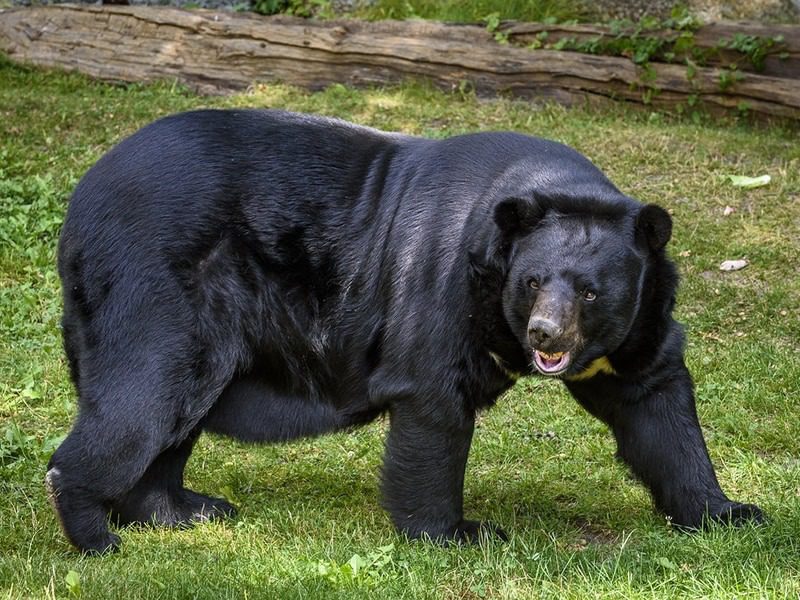
3. Himalayan Black Bear
Another majestic inhabitant of this region is the Himalayan Black Bear (Ursus thibetanus). While they usually stay away from human activity, they roam freely in the deeper forest sections, particularly during the pre-winter and post-winter months.
Trek leaders and guides from The Dream Treks often share stories of rare sightings — though trekkers are highly unlikely to encounter bears directly on the route, their presence reminds us of the wild, untamed side of Kedarkantha.
Tip: Always maintain cleanliness on the trail and never leave food waste behind — it helps keep the wildlife safe and undisturbed.
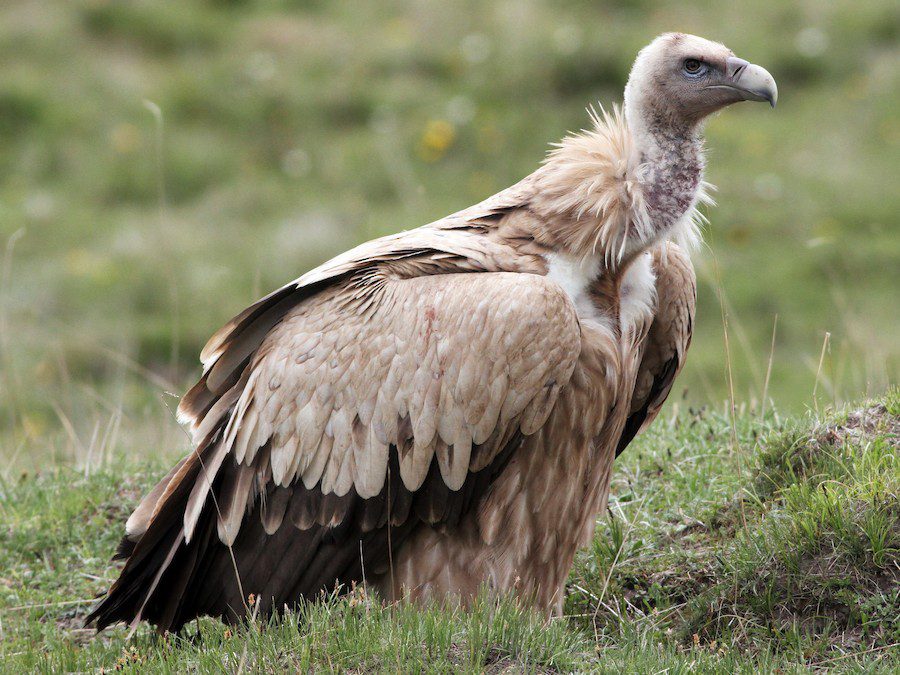
4. Himalayan Griffon and Other Raptors
Look up while trekking through open meadows and ridgelines — you might spot the Himalayan Griffon Vulture, soaring high against the blue sky.
These giant birds of prey are among the largest vultures in the world, with a wingspan of up to 3 meters!
Other birds of prey commonly seen in the region include:
- Steppe Eagles
- Black Kites
- Lammergeiers (Bearded Vultures)
These birds are a treat for photographers and add a sense of scale to the breathtaking Himalayan panoramas.
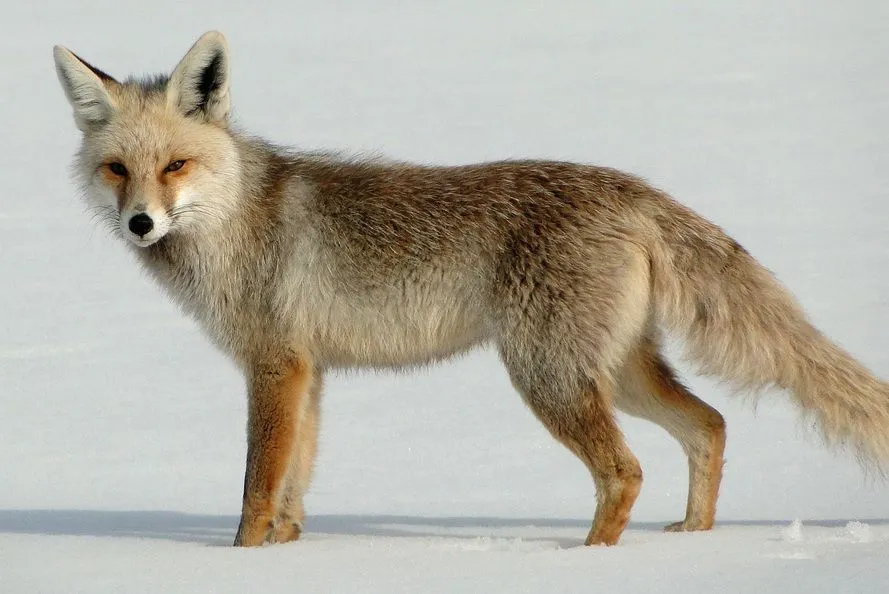
5. Himalayan Fox and Langurs
While trekking through lower forest zones and near Sankri village, trekkers often spot Himalayan Foxes darting through meadows in search of food.
Equally common are troops of Himalayan Langurs (Gray Langurs) — long-tailed monkeys often seen playing among oak trees or resting on warm rocks.
Their playful behavior and curiosity often make them a highlight for trekkers — but remember, feeding wild animals is prohibited to maintain ecological balance.
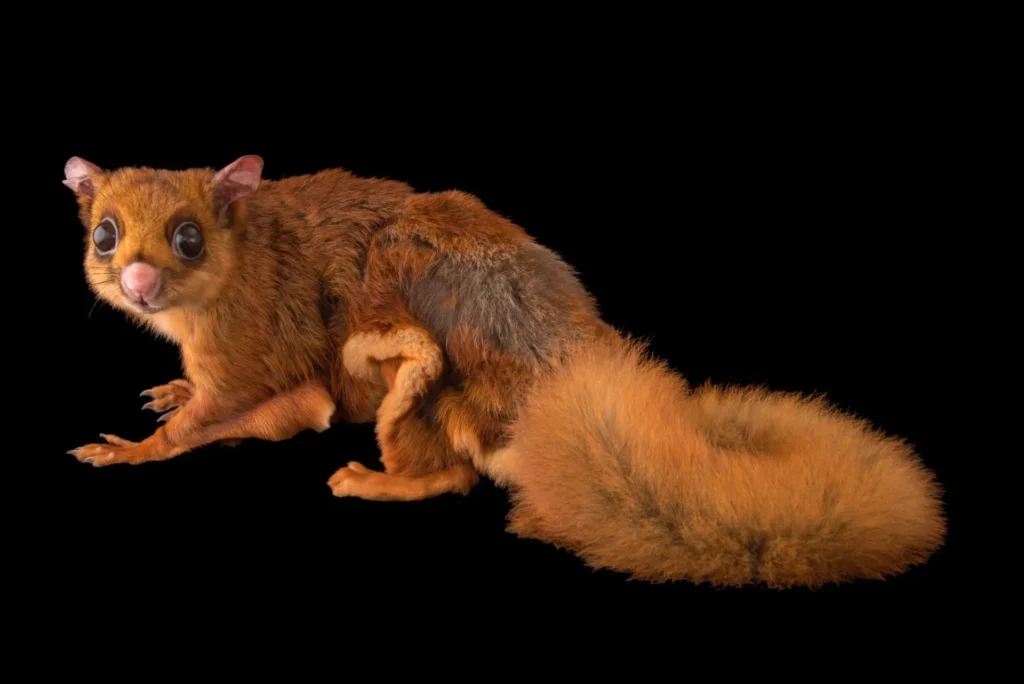
Bonus: The Lesser-Known Creatures
Beyond the big names, the Kedarkantha trail hides an incredible diversity of smaller creatures — pine martens, flying squirrels, mountain lizards, and colorful butterflies that thrive during summer months.
At night, trekkers can often hear the calls of owls echoing through the silent woods, creating a truly magical wilderness atmosphere.
Why the Kedarkantha Trek is a Haven for Wildlife Lovers
Kedarkantha’s forests — a mix of deodar, oak, and pine — form a perfect habitat for wildlife. The region’s limited human interference and its protection under the Govind Pashu Vihar Wildlife Sanctuary ensure that biodiversity continues to flourish.
If you’re a nature lover or a wildlife photographer, this trek offers incredible opportunities to experience the Himalayas beyond just scenic landscapes — it’s an ecosystem alive with movement, sound, and color.
Experience the Wild Side of Kedarkantha with The Dream Treks
While The Dream Treks is best known for providing an unforgettable adventure through the Kedarkantha summit, we also encourage trekkers to appreciate and protect the wildlife they encounter.
By maintaining eco-friendly trekking practices, respecting wildlife zones, and leaving no trace, we help preserve this Himalayan haven for future generations.
Pro Tip for Trekkers
If you want to spot wildlife during the Kedarkantha Trek, keep these in mind:
✅ Start early in the morning — dawn is the best time for sightings.
✅ Stay quiet and move slowly in forest sections.
✅ Carry binoculars and a camera with zoom lens.
✅ Avoid perfumes or strong scents.
Final Thoughts
The Kedarkantha Trek isn’t just about summiting a snowy peak — it’s about immersing yourself in one of the most biologically rich corners of the Indian Himalayas.
From vibrant Monals to silent deer tracks, every sound and sight tells a story of nature’s wild rhythm.
So, the next time you lace up your trekking boots for Kedarkantha, remember — you’re not just walking a trail, you’re walking through a living Himalayan sanctuary.
Book your Kedarkantha Adventure today with The Dream Treks and witness the Raw Wildlife yourself!
Ready to reserve your spot? Contact us!
Follow us on Instagram for Regular Updates!